How to Start a Snow Removal Business in a Small Town: Costs, Pricing & Contracts
A snow removal business is one of the few service businesses where demand arrives on a schedule you cannot control — and customers happily pay you for it anyway. Every winter, driveways need clearing after every storm, and in a small town…
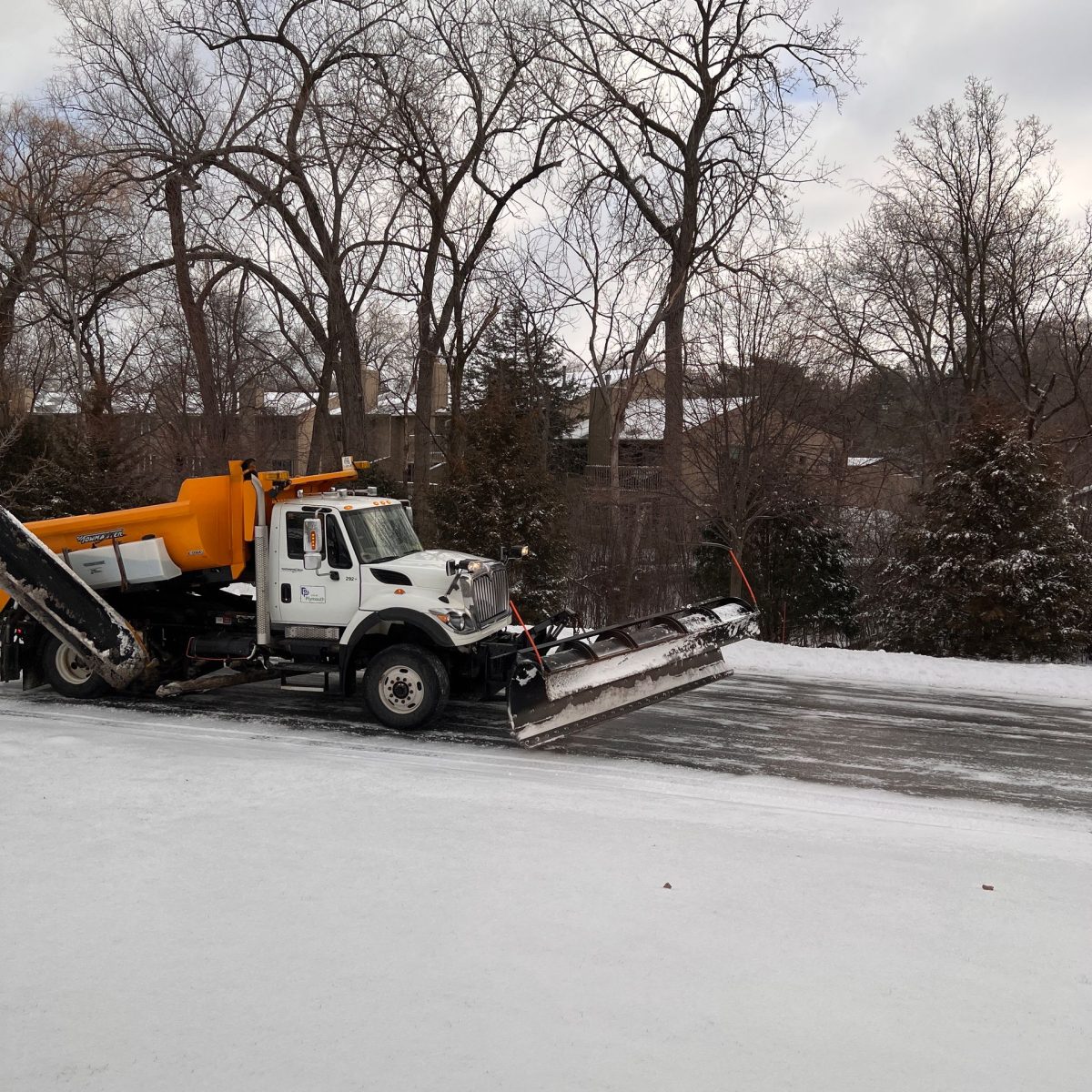
A snow removal business is one of the few service businesses where demand arrives on a schedule you cannot control — and customers happily pay you for it anyway. Every winter, driveways need clearing after every storm, and in a small town the competition is usually a short list of the same two or three operators. If you own a reliable truck and you are willing to work odd hours in bad weather, this is a business you can start in weeks, not months. This guide covers how to start a snow removal business in a small town the right way: real startup costs, the equipment that actually earns its keep, pricing that keeps you profitable, and a seasonal contract you can reuse for every customer.
It pairs naturally with other winter-proof small town business ideas — and if you already mow lawns in summer, you are halfway to owning a year-round route.
The short answer: To start a snow removal business, register your business and get liability insurance, outfit a 4x4 truck with a plow, charge $35–$75 per driveway visit or $300–$600 per seasonal contract, and sign customers to written contracts before the first snowfall. Startup costs run $2,500–$6,000 with your own truck.
Key takeaways
- Seasonal contracts — not per-visit calls — are what make a snow business profitable and predictable.
- Starting lean with a truck you already own costs $2,500–$6,000; the plow is the single biggest purchase.
- Route density decides your profit: 20 driveways on two streets beats 20 driveways spread across town.
- A one-page written contract with a clear plow trigger (e.g. 2 inches) prevents almost every customer dispute.
- Snow pairs perfectly with summer lawn care — the same customers, the same route, year-round income.
The Real Numbers First: Startup Costs
Here is the honest math before anything else. The "lean" column assumes you already own a 4x4 truck; the "with truck" column includes buying a decent used one.
| Expense | Lean startup (own truck) | Full startup (buy truck) |
|---|---|---|
| Used 4x4 pickup (reliable older model) | $0 (already owned) | $8,000–$15,000 |
| Plow blade + mount (used / new installed) | $2,000–$8,000 | $2,000–$8,000 |
| Walk-behind snow blower (backup / sidewalks) | $400–$1,200 | $400–$1,200 |
| Salt spreader + ice melt + shovels | $250–$600 | $250–$600 |
| General liability insurance (annual) | $400–$800 | $400–$800 |
| Business registration + local license | $50–$300 | $50–$300 |
| Typical total | $2,500–$6,000 | $12,000–$25,000 |
Startup requirements checklist: a 4x4 truck in good mechanical shape, a plow blade with mount and wiring, general liability insurance, a registered business name, written customer contracts, a salt/ice-melt supply, and a planned plow route. Quick tips: buy the plow used but the wiring new; keep $1,000 in reserve for mid-season repairs; and never start a season without insurance — one damaged mailbox claim can wipe out a month of revenue.
Step 1: Register the Business (Keep It Simple)
Most solo plow operators start as a sole proprietorship or a simple LLC. Registering an LLC — typically $50–$500 depending on the state — separates your personal assets from the business, which matters when you are driving a truck with a steel blade around other people's property. If you plan to hire a helper or subcontractor later, get a federal tax ID too; our guide on how to get an EIN for your small business walks through it. Keep a separate bank account and log every expense from day one — fuel, repairs, and salt are all deductible.
Step 2: Handle Licenses and Insurance
Snow removal itself rarely needs a special state license, but most towns require a general business license, and some require a snow-removal or right-of-way permit if you will be pushing snow near public roads. The non-negotiable is insurance: a $1 million general liability policy typically costs a solo operator $400–$800 per year and covers property damage claims — the classic one is a plow catching a curb, mailbox, or sprinkler head. If you tow a salt spreader or trailer, check whether your auto policy covers work driving; personal policies often exclude it. The U.S. Small Business Administration's license and permit guide points you to exactly what your state and locality require.
Step 3: Get Equipment That Earns Its Keep
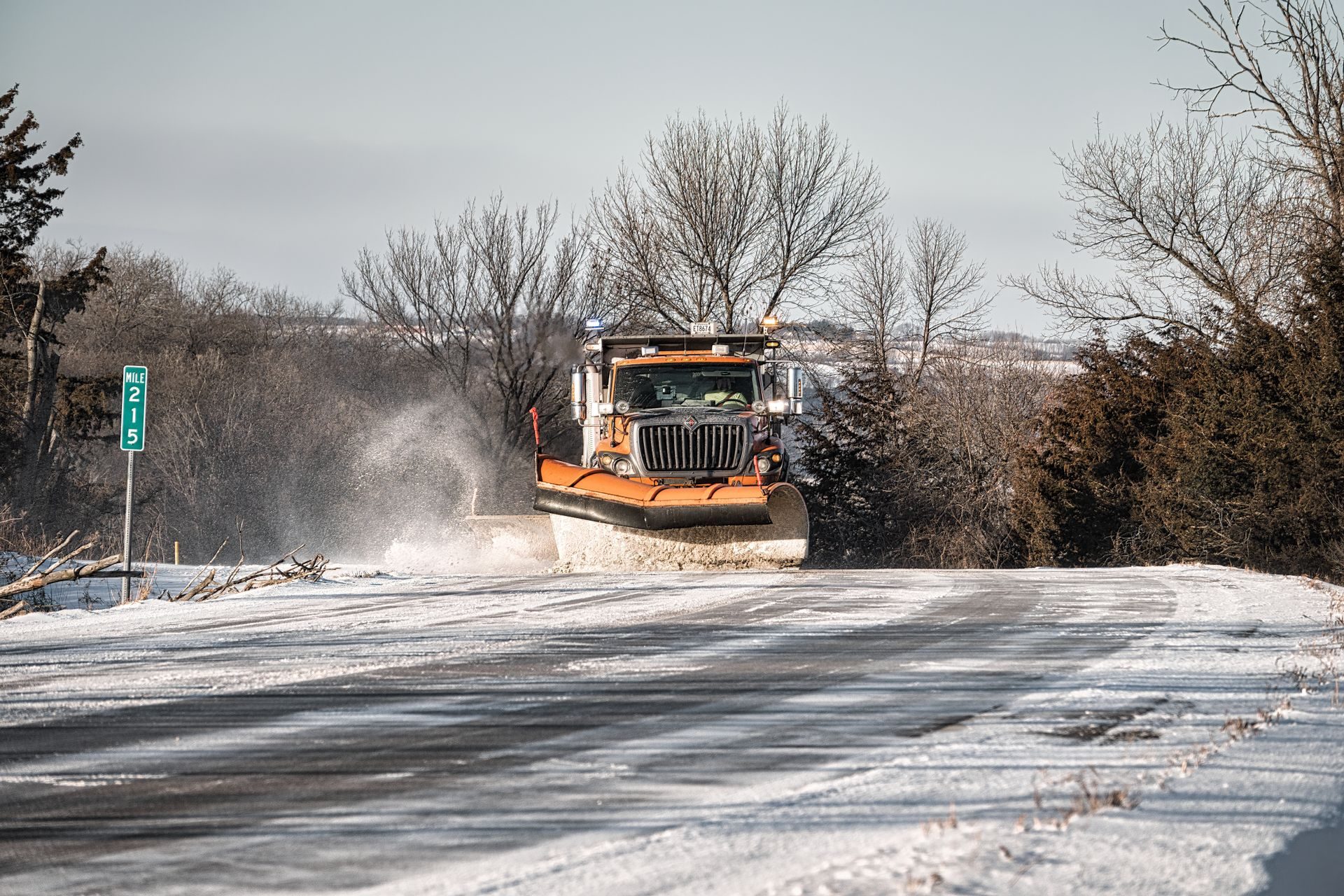
The plow is the business, so spend your equipment budget there first. A used 7.5- or 8-foot straight blade on a half-ton 4x4 handles residential driveways perfectly; V-plows are faster in deep snow but cost more and are overkill for most routes. Inspect used plows carefully — check the cutting edge, hydraulic hoses, and the mount frame for cracks. Budget for a replacement cutting edge ($150–$300) every season or two.
Your backup kit matters as much as the plow: a commercial walk-behind snow blower for sidewalks and tight spots, a tailgate or walk-behind salt spreader for ice, and good shovels for steps and walkways your plow cannot reach. Buy ice melt in bulk before the season — prices spike after the first big storm, and running out mid-season is how you lose customers.
What not to buy yet: a second truck, a skid steer, or a fancy enclosed trailer. One truck, one plow, and twenty signed contracts is a real business. Add the second rig when your route is full and you are turning work away.
Step 4: Price It Right — Per-Visit vs. Seasonal Contracts
Residential pricing in 2026 typically falls into two models. Per-visit is simple: you charge each time you plow. Seasonal is a flat fee covering the whole winter. Here is how they compare for a small-town route:
| Pricing model | Typical residential rate (2026) | Best for |
|---|---|---|
| Per visit (driveway) | $35–$75 per plow | Occasional customers, light-snow areas |
| Seasonal contract (driveway) | $300–$600 per winter | Your core route — predictable income |
| Sidewalks / walkways add-on | +$10–$20 per visit, or +$100–$200 seasonal | Elderly customers, rentals, small businesses |
| Salting / ice melt add-on | +$15–$30 per application | Icy climates, commercial lots |
| Small commercial lot | $100–$300 per visit | Churches, offices, small retail strips |
Seasonal contracts win for one reason: cash flow you can plan on. A route of 30 seasonal driveways at $450 each is $13,500 locked in before the first flake falls. At per-visit pricing, the same 30 customers at $50 per plow need 9 visits to match that — and a mild winter leaves you short. Price seasonal contracts against your area's average number of plowable storms, and cap them: most operators include a set number of visits (say 25) with additional storms billed per visit. Put that cap in the contract.
Step 5: Use a Written Seasonal Contract (Copy-Ready Outline)
Handshake deals are how snow disputes start. A simple one-page agreement protects both sides and makes you look professional from day one. Copy this outline and adapt it:
Seasonal Snow Removal Agreement — template outline
- Parties & property: your business name, the customer's name, and the exact service address (driveway, walkways included or not).
- Term: e.g. November 1 – April 15. State the included visit cap (e.g. up to 25 plow visits; extras at $50 each).
- Plow trigger: the snowfall depth that starts service — 2 inches is the standard residential trigger. State your response window (e.g. within 12 hours of accumulation).
- Services included: driveway plowing, and whether sidewalks, steps, salting, and roof raking are included or billed separately.
- Price & payment: total seasonal fee, deposit (50% up front is common), and the balance due date — e.g. January 15.
- Exclusions: ice dams, roof snow, drifts over 12 inches, and clearing around parked cars.
- Liability: you are not responsible for damage to items buried under snow (hoses, landscape edging) or for slip-and-fall injuries after service.
- Cancellation: either party may cancel with 14 days' written notice; refunds are prorated by month.
Have every customer sign before November. The operators who chase signatures in December are the ones working for free in February.
Step 6: Fill Your Route Before the First Snowfall
Snow marketing is a September and October game. Door hangers on the streets you want to own are still the highest-ROI move in a small town — aim for route density, not spread: twenty driveways on three streets earns more per hour than twenty driveways across the whole county. Set up a free Google Business Profile with "snow removal" in the business description and ask every happy customer for a review; those reviews compound every winter.
Local Facebook groups and Nextdoor light up the week of the first forecast — post your availability early, not during the storm. And talk to property managers, churches, and small retail strips: one small commercial lot can pay like five driveways, and commercial contracts are usually multi-year once you prove reliable.
The Off-Season: Turn Snow Into a Year-Round Business
The same customers who pay you to plow in January need their lawns mowed in June — and the same truck, route, and customer list work for both. Many successful small-town operators run plowing in winter and a lawn care business in summer, which smooths income across the whole year and makes every marketing dollar do double duty. If you are choosing between the two, snow has lower startup competition in most towns and lawn care has the longer season — together, they are the classic small-town service pairing.
Frequently Asked Questions
How much does it cost to start a snow removal business?
If you already own a 4x4 truck, $2,500–$6,000 covers a used plow, a snow blower, salt and shovels, insurance, and registration. Buying a used truck too brings the total to roughly $12,000–$25,000. The plow itself is the biggest single expense.
How much can you make with a snow removal business?
A solo operator with 25–35 seasonal residential contracts at $300–$600 each can gross $10,000–$20,000 per winter working part-time hours around storms. Adding commercial lots, salting add-ons, and a summer lawn route pushes a one-truck operation well past that.
Do I need a license to plow snow?
Most states do not require a special snow-plowing license, but you will almost always need a local business license, and some towns require a snow-removal or right-of-way permit. Check your city or county clerk's office before your first storm — and carry general liability insurance regardless.
Should I charge per visit or per season?
Per season, for your core route. Seasonal contracts give you predictable income even in a mild winter, while per-visit pricing leaves you exposed if it barely snows. A common compromise: a seasonal base fee covering up to 25 visits, with extra storms billed per visit.
Conclusion
A snow removal business rewards the operators who prepare in October and sign contracts in November — not the ones who buy a plow the week of the first storm. Keep startup costs lean, price with seasonal contracts, get every agreement in writing, and build a tight route instead of a scattered one. Do that, and a single truck can produce a serious second income every winter — or, paired with summer lawn care, a genuine full-time small-town business. Start with the contract outline above, sign your first ten customers, and let the route grow from there.
Updated October 2026.



0 Comments
No comments yet. Be the first to share your thoughts!