How to Get an EIN for Your Small Business (Free Guide)
Starting a small business comes with a long to-do list: pick a name, choose a legal structure, open a bank account, figure out taxes. Somewhere near the top of that list sits a nine-digit number most new founders have never heard of until…

Starting a small business comes with a long to-do list: pick a name, choose a legal structure, open a bank account, figure out taxes. Somewhere near the top of that list sits a nine-digit number most new founders have never heard of until they suddenly need one — the Employer Identification Number, or EIN.
The good news is that getting an EIN is one of the easiest official steps in launching a business. It is completely free, the online application takes about 15 minutes, and in most cases you receive the number immediately. This guide walks you through exactly what an EIN is, whether your business needs one, and how to apply step by step — without paying a middleman or making a paperwork mistake you will regret later.
What Is an EIN, Exactly?
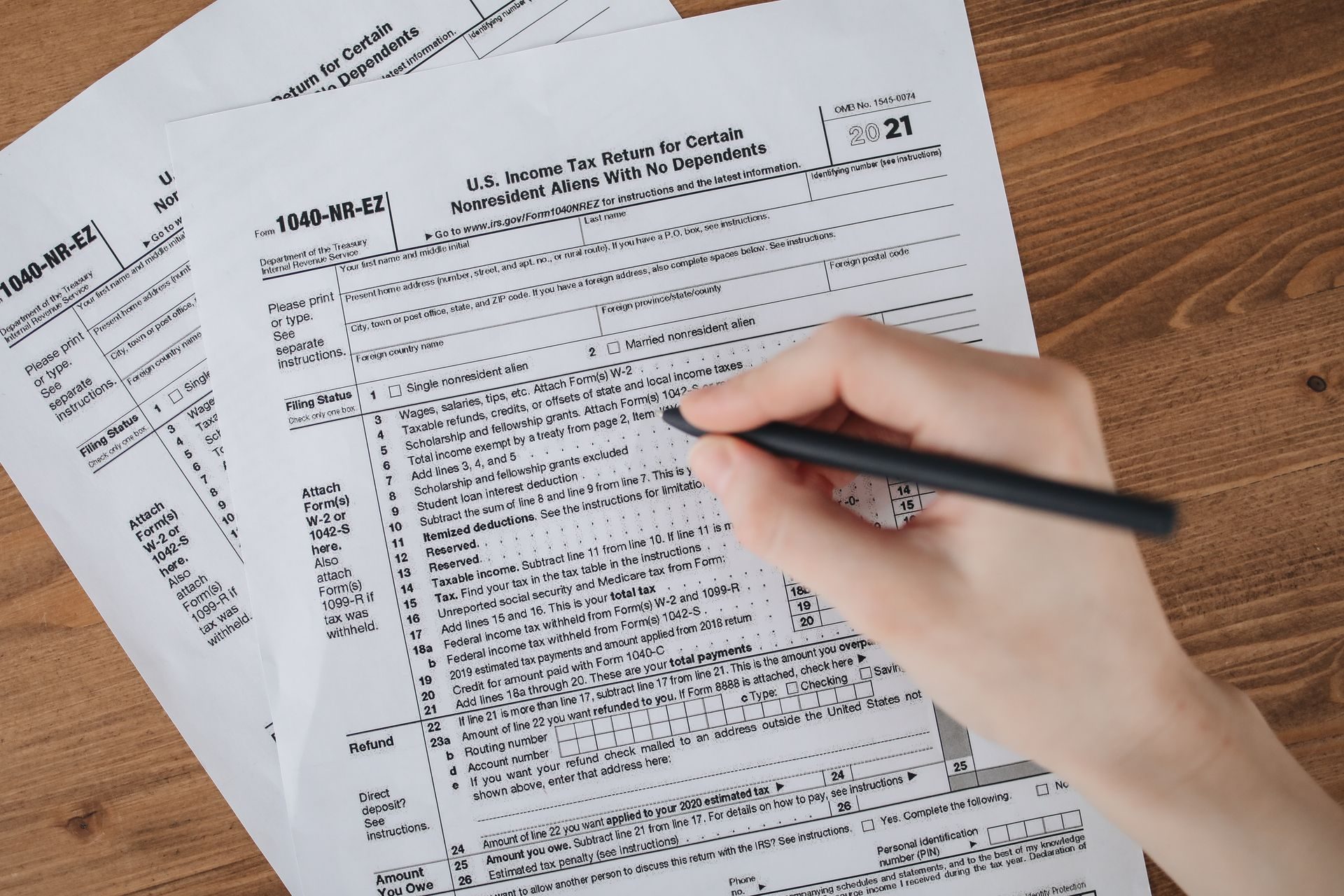
An Employer Identification Number (EIN) is a unique nine-digit number the IRS assigns to your business, written in the format XX-XXXXXXX. Think of it as a Social Security number for your company: it identifies your business on tax returns, bank applications, and official paperwork, so you do not have to hand out your personal Social Security number to vendors, clients, and government agencies.
Many sole proprietors start out using their SSN for everything, and in some cases that is perfectly legal. But it means your personal identifier floats around on invoices, contracts, and 1099 forms. An EIN puts a wall between your personal identity and your business, which is one of the simplest identity-protection moves a new founder can make. It also makes your one-person operation look more established to banks, suppliers, and clients — a small credibility boost that costs nothing.
Does Your Small Business Actually Need an EIN?
The IRS requires you to get an EIN if your business:
- Has employees — even one part-time employee counts
- Is structured as a corporation or a partnership (including multi-member LLCs)
- Files employment, excise, or alcohol, tobacco, and firearms tax returns
- Withholds taxes on income paid to a nonresident alien
- Operates certain types of trusts, estates, or pension plans
If you are a sole proprietor or a single-member LLC with no employees, the IRS does not force you to get one. Even so, most accountants recommend getting an EIN anyway. Banks almost always require one to open a business bank account, many wholesalers and payment processors ask for one on applications, and several states tie their own business tax registrations to your federal EIN. If you plan to hire anyone in the next year or two, getting the number now saves you a step later. The U.S. Small Business Administration keeps a clear breakdown of the rules — see the SBA's guide to federal and state tax ID numbers for the full picture.
How to Get an EIN for Your Small Business: 4 Simple Steps
Step 1: Confirm You Are Eligible
You can apply for an EIN if your principal business is located in the United States or a U.S. territory, and you — the applicant, known as the "responsible party" — have a valid Taxpayer Identification Number such as a Social Security number or an ITIN. One important limit to know upfront: the IRS allows only one EIN application per responsible party per day. Do not submit multiple applications "just in case" — duplicates get flagged for manual review and can delay your number by weeks.
Step 2: Gather the Information You Will Need
The application is short, but having everything ready makes it a smooth 15-minute process. Collect the following before you start:
- The legal name of your business (exactly as it appears on your formation documents, if you have any)
- Your trade name or "doing business as" (DBA) name, if different
- Your business mailing address
- The name and SSN/ITIN of the responsible party — this must be a real person, not another company
- Your business structure: sole proprietorship, LLC, corporation, or partnership
- The reason you are applying (started a new business, hired employees, opened a bank account, and so on)
- The month your business started or will start
- The type of business activity and the number of employees you expect to hire in the next 12 months
A quick tip: if you formed an LLC or corporation with your state, double-check that the legal name on your formation paperwork matches what you type into the EIN application character for character. Banks compare the two when you open an account, and a mismatch is one of the most common reasons new business accounts get rejected.
Step 3: Apply Online on the IRS Website
The fastest and easiest route is the IRS's online EIN application. It is available Monday through Friday, 7 a.m. to 10 p.m. Eastern Time. The form works like an interview — it asks you questions, validates your answers as you go, and issues your EIN immediately when you finish. You can apply for an EIN online on the IRS website directly; the whole thing typically takes 10 to 15 minutes.
Prefer not to apply online? You can also fax or mail Form SS-4 to the IRS. Faxed applications generally take about two weeks (include a return fax number), while mailed applications can take four to five weeks. Unless you have no internet access or a special situation, the online route is the clear winner.
Step 4: Save Your EIN Confirmation Letter
The moment your online application is approved, the IRS shows you a confirmation notice — officially called the CP 575 letter — with your new EIN on it. Download it immediately and save a copy somewhere safe, and print one for your business records. Banks, lenders, and some state agencies will ask to see this letter, and getting a replacement copy (called a 147C letter) requires a phone call to the IRS and a waiting period. Treat the CP 575 like a birth certificate for your business: easy to keep, annoying to replace.
How Long Does It Take to Get an EIN?
It depends on how you apply. Online applications are processed immediately — you walk away with your EIN the same session, which is why nearly every new business owner should use this method. Faxed applications take roughly two weeks if you provide a return fax number. Mailed applications are the slowest option at four to five weeks. There is no expedited or rush service, paid or otherwise, despite what some third-party websites imply.
Is an EIN Free? (Yes — Watch Out for Copycat Sites)
Applying for an EIN directly with the IRS costs nothing. Ever. This matters because search results are full of copycat websites that charge $75 to $300 to "file your EIN application" — all they do is retype your answers into the same free IRS form you could complete yourself in 15 minutes. Some business-formation services bundle EIN filing into a larger incorporation package, and that is fine if you knowingly bought the package. But never pay a standalone fee just for an EIN. A simple rule: if a website asks for your credit card before it ever shows you an IRS.gov address, close the tab and go to the IRS directly.
5 Common EIN Mistakes New Business Owners Make
1. Applying more than once. Nervous first-timers sometimes submit two applications in case the first "didn't go through." The IRS sees both, flags them as duplicates, and your number gets stuck in manual review. One application, one responsible party, one day.
2. Entering a business name that doesn't match your formation documents. "Mike's Plumbing LLC" and "Mikes Plumbing LLC" are different names to a bank's verification system. Copy the legal name exactly from your state filing.
3. Naming the wrong responsible party. The responsible party must be an actual human being who controls the business — not your LLC itself, not your accountant, not a nominee. Getting this wrong can invalidate the application.
4. Paying a copycat site for a free number. As covered above, the IRS never charges for an EIN. Any site charging a standalone EIN fee is selling you something free.
5. Losing the confirmation letter. The CP 575 is surprisingly hard to replace and surprisingly often requested. Save a digital copy in at least two places the day you receive it.
What to Do After You Get Your EIN
Your EIN unlocks the next layer of "real business" setup. Work through this short list:
- Open a business bank account. Bring your EIN confirmation letter, your formation documents, and your ID. Keeping business money separate from personal money is the single most important bookkeeping habit you can build.
- Set up simple bookkeeping. Once the account is open, choose accounting software built for a one-person business so your income and expenses stay organized from day one — clean books make tax season dramatically less painful.
- Check your state's requirements. Many states require a separate state tax ID, a seller's permit, or local business licenses on top of your federal EIN. Your state's department of revenue website is the authoritative source.
- Get the licenses your locality requires. Depending on your industry and where you operate, you may need a general business license, a home-occupation permit, or professional licensing before you serve your first customer.
- Still choosing what to launch? If the business idea itself is still up in the air, browse these small-town business ideas that need little startup capital — most of them need nothing more than an EIN to look legitimate from day one.
Frequently Asked Questions
Can I get an EIN as a sole proprietor with no employees?
Yes. The IRS allows any legitimate business to apply, and sole proprietors are among the most common applicants. You do not need employees, an LLC, or a corporation — you just need a real business purpose, like opening a business bank account or protecting your Social Security number.
Do I need a new EIN if I change my business structure?
It depends on the change. Converting a sole proprietorship into a corporation or partnership generally requires a new EIN, while some LLC elections do not. When in doubt, check the IRS's "Do you need a new EIN?" guidance before applying again — an unnecessary second EIN creates the duplicate-application headache described above.
How long is an EIN valid? Does it expire?
An EIN never expires. Once issued, it stays with your business permanently, even if you go dormant for years. The only time you stop using it is if the business closes for good or undergoes a structural change that requires a new number.
Can a non-U.S. citizen get an EIN for a U.S. business?
Yes. If you have an ITIN, you can apply by fax or mail using Form SS-4. If you have no U.S. tax ID at all, you can apply by calling the IRS international line. The online application requires an SSN or ITIN, so international founders should plan for the fax or phone route and its longer timeline.
Conclusion
Getting an EIN is one of those rare bureaucratic tasks that is genuinely quick, free, and useful. In about 15 minutes on the IRS website, you get a permanent federal tax ID that protects your Social Security number, unlocks a business bank account, and makes your operation look established to everyone you do business with. Skip the copycat sites, keep your confirmation letter safe, and match your business name exactly to your formation documents — do those three things and the process is painless.
If you are still deciding what business to start in the first place, these practical low-cost business ideas are a solid starting point — many of them work for any first-time founder, not just students. Get the idea, get the EIN, and you are officially in business.



0 Comments
No comments yet. Be the first to share your thoughts!