How to Start a Mobile Car Wash Business in 2026: 9 Steps, Equipment & Startup Costs
A mobile car wash business is one of the lowest-barrier service businesses you can start in the United States. You bring the wash to the customer — their driveway, office parking lot, or apartment complex — so there is no expensive…
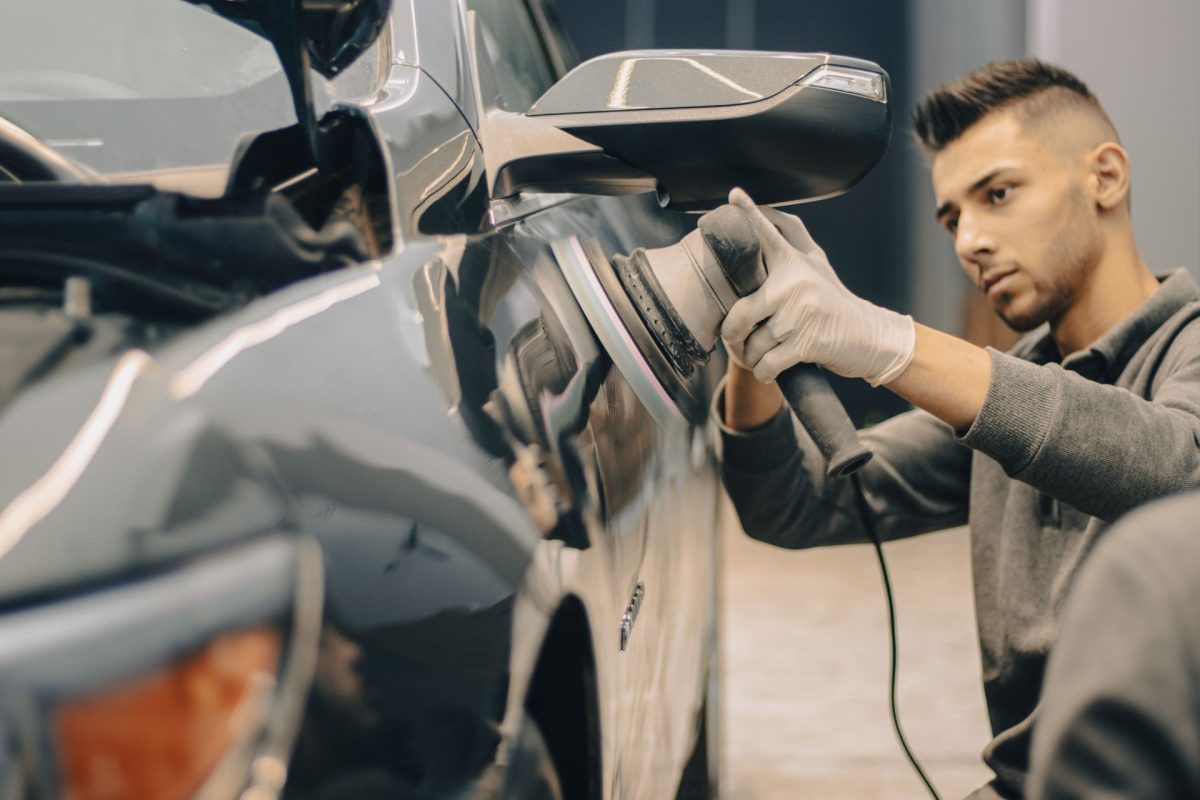
A mobile car wash business is one of the lowest-barrier service businesses you can start in the United States. You bring the wash to the customer — their driveway, office parking lot, or apartment complex — so there is no expensive storefront, no lease, and no commercial rent. Your biggest assets are a reliable vehicle, professional equipment, and a reputation for showing up on time and doing careful work.
Starting a mobile car wash business in 2026 costs $3,000 to $15,100: lean setups run $3,000–$5,300, most solo operators invest $4,300–$10,000, and full rigs reach $8,050–$15,100. You need business registration and an EIN, liability insurance, a pressure washer, a water tank, a vacuum, chemicals, online booking, and runoff compliance.
1. Research Your Local Market Before Spending a Dollar
Mobile detailing demand varies enormously by neighborhood. Search "mobile car wash" and "mobile detailing" plus your city or ZIP code, count the competitors, read their reviews, and note their prices and complaints. If every listing is fully booked, that is a good sign — and if nobody is doing it locally, test demand with flyers and social posts before investing. Convenience is the entire product: you are selling time saved, not just a clean car.
Check your county and city rules early. Some cities require a mobile vendor permit, and a few have specific mobile car wash permits — Paterson, New Jersey, for example, charges $500 per vehicle per year. Discovering this after you have bought equipment is an avoidable headache.
2. Register the Business and Get Your EIN
Form a simple legal entity. Most mobile detailers start as a sole proprietorship for speed, then move to an LLC once revenue is steady, because an LLC ($50–$500 depending on your state) separates your personal assets from the business. Your industry classification is NAICS 811192 (car washes). Register a business name if required in your state, and get a local business license, which typically costs $50–$400.
Next, get an Employer Identification Number (EIN) from the IRS — it is free, takes minutes, and you will need it to open a business bank account and file taxes properly. See how to get an EIN for your small business for the walkthrough. Then apply online for free on the official IRS site. The U.S. Small Business Administration's business planning guide is a useful sanity check for the basics like choosing a structure and registering your name.
3. Buy Insurance — Do Not Skip This
You are handling other people's vehicles, which means one scratched door panel or a customer's cracked windshield could wipe out your profit for the month. At minimum you need:
- General liability insurance: $1,000–$2,200 per year for a $1M/$2M policy. This is the coverage customers and commercial clients (dealerships, office parks) will ask to see.
- Garage-keepers coverage: covers vehicles in your care, custody, and control while you work on them — highly recommended for detailers.
- Commercial auto insurance: $700–$1,600 per year. Your personal policy usually does not cover business use, and you are hauling equipment everywhere.
- Workers' compensation: required in most states once you hire employees.
Rules like this are state-specific, so verify permit and license requirements with your own state before spending money.
4. Buy Your Equipment the Smart Way
You do not need the full professional rig on day one. Buy reliable mid-range gear, learn what you actually use, then upgrade with revenue. Here is what the job requires and what it costs:
- Pressure washer: 1,500–2,500 PSI at about 2.0 GPM; gas-powered is preferred for mobile work since you cannot always plug in. $300–$900.
- Water tank and pump: 50–100 gallon tank with a 12V pump so you carry your own water supply. $300–$1,200.
- Generator: a 2,000W inverter generator runs vacuums and polishers; a 4,000W unit covers a steam cleaner too. $400–$900.
- Commercial wet/dry vacuum: a consumer shop vac will not survive daily use — buy commercial grade. $400–$1,200.
- Dual-action polisher plus pads: for paint correction work that commands the highest prices. $250–$550.
- Steam cleaner: excellent for interiors, engines, and sanitizing — and a strong selling point. $300–$2,000.
- Hand tools: foam cannon, two buckets with grit guards, wash mitts, wheel and detailing brushes. $200–$400.
- Microfiber towel fleet: buy in bulk; using one towel too long causes swirl marks. $30–$80.
- Chemicals: pH-neutral car soap, all-purpose cleaner, iron and tar remover, glass cleaner, leather cleaner, spray wax or sealant. $300–$600 for a starter stock.
As volume grows, a van or small trailer becomes worth it — but do not finance one before you have recurring bookings.
5. Set Pricing That Reflects Your Mobile Premium
Mobile service carries a 10–20% convenience premium over a fixed shop, and you should charge for it unapologetically. Use these 2026 national ranges as your starting point, then adjust for your city:
- Basic exterior wash: $30–$75
- Wash plus vacuum: $75–$100
- Mobile basic wash (you come to them): $90–$130
- Mini or full-service detail: $120–$180
- Full detail, sedan: $200–$350 (national average, 2–3.5 hours of work)
- Premium paint correction or ceramic coating: $400–$900+
- Add-ons: pet hair removal $30–$50, odor treatment $40–$60, headlight restoration $50–$80
Price SUVs and trucks about 30–50% higher than sedans — they take longer and use more product. Structure pricing as three simple packages (for example: Maintenance, Deluxe, Signature) so customers can choose without a phone call. Set your opening price near the middle of the local range, not the bottom: underpricing attracts bargain hunters.

6. Handle Water Runoff Legally
This is the step most beginners miss, and it can be the one that ends the business. Under the Clean Water Act, it is illegal to let soapy, chemical-laden wash water flow into storm drains, which drain directly into rivers and lakes without treatment.
Compliance is straightforward once you build the habit:
- Use a wash mat or inflatable berm that captures runoff under and around the vehicle.
- Cover nearby storm drains with a drain cover or berm before you start.
- Where possible, wash on grass or gravel, which filters water naturally — never on a surface that slopes to a storm drain.
- Use biodegradable, low-phosphate products.
- Collect the captured wastewater and dispose of it into a sanitary sewer connection (a sink drain, utility sink, or with permission at a car wash bay) — never back into the storm drain.
Photograph your setup and keep it documented — being able to show exactly how you handle wastewater wins over commercial clients and HOAs.
7. Set Up Booking and Scheduling
Mobile work lives or dies on logistics. Every hour lost to phone tag is an hour you are not washing. Use a purpose-built booking tool — apps like PocketSuite and Sparkyl let customers see your availability, book online, pay by card, and get automatic reminders. Set service areas by ZIP code so you do not accept a job forty minutes away for a $50 wash.
Route your day deliberately: cluster jobs by neighborhood, leave buffer time for traffic, and carry a card reader or mobile payment link so you can take payment on the spot. Send a confirmation text the evening before with your arrival window — it sharply cuts no-shows.
8. Get Your First Ten Customers
Your first jobs are about proof, not profit. Wash friends' and family members' cars free or at a steep discount in exchange for honest reviews and, critically, before-and-after photos. Ten strong before/after photos are worth more than any ad you will ever run.
Then work the channels that cost nothing:
- Google Business Profile: claim it, list your service area, and ask every customer for a review — this is where local searches find you.
- Nextdoor and local Facebook groups: post before/after transformations with a short story — these posts earn organic reach that paid ads rarely match in a local area.
- Door hangers and flyers: place them on driveways, apartment complex lots (check rules first), and office park windshields during lunch hours.
- Free marketplace tiers: Thumbtack, Yelp, and Angi all have free profiles that generate real leads while you build.
- B2B outreach: office parks, realtors, and used-car dealerships need repeat detailing — one dealership contract can replace dozens of retail customers.
Local Services Ads are worth testing once you have reviews in place, but hold off on paid ads until organic channels are producing. Among the many small town business ideas that work well locally, mobile services like this one stand out because low overhead and flexible scheduling make it easy to start small in a smaller market too.
9. Scale With Memberships and Recurring Revenue
The difference between a job and a business is recurring revenue. Offer monthly maintenance memberships — for example, two exterior washes per month at a fixed price, auto-billed. Members give you a predictable base, visit you on a schedule that lets you route efficiently, and rarely shop on price.
Other scaling moves:
- Upsell ceramic coatings and paint correction — the $400–$900+ jobs that make the calendar's slow days profitable.
- Sign fleet deals with local businesses (plumbers, delivery companies, realtors) for a weekly or monthly wash contract.
- Hire a helper and run two vehicles once bookings fill five days out — only add headcount when demand forces it.
Startup Cost Comparison: Three Realistic Setups
| Setup level | Equipment & gear | Insurance & licenses | Estimated total |
| Lean — personal vehicle, basic gear, waterless start possible | Consumer pressure washer, basic vacuum, starter chemicals, microfiber towels, buckets and mitts | Business license, minimal liability coverage | $3,000–$5,300 |
| Well-equipped solo operator — most common | Gas pressure washer, 50–100 gal tank + 12V pump, 2,000W inverter generator, commercial wet/dry vacuum, dual-action polisher, full chemical stock | General liability ($1M/$2M), garage-keepers, LLC, business license, mobile vendor permit where required | $4,300–$10,000 |
| Professional rig — premium services, fleet contracts | All of the above plus steam cleaner, 4,000W generator, trailer or van setup, premium coating products | Full insurance stack including commercial auto and workers' comp, business licenses across service areas | $8,050–$15,100 |
Frequently Asked Questions
How much does it cost to start a mobile car wash business?
Most solo operators spend $4,300–$10,000 on professional equipment, insurance, and licenses. A lean start with basic gear and your own vehicle costs $3,000–$5,300, while a full professional rig runs $8,050–$15,100 for premium services.
Do I need a license or permit to run a mobile car wash?
Yes, in most areas. At minimum you need a local business license ($50–$400) and should form an LLC. Many cities require a mobile vendor permit, and some have specific mobile car wash permits — Paterson, NJ charges $500 per vehicle per year. Check your city and county before buying equipment.
Is mobile car detailing profitable?
It can be, because overhead is low. A full detail averages $200–$350 for 2–3.5 hours of work, and premium services reach $400–$900+. Profitability depends on efficient routing, consistent pricing, and recurring customers like monthly memberships or fleet contracts.
How do mobile car wash owners handle wastewater legally?
It is illegal to let soapy runoff enter storm drains. Compliant operators use wash mats or inflatable berms to capture runoff, cover nearby storm drains, wash on grass or gravel when possible, use biodegradable products, and dispose of captured wastewater into a sanitary sewer drain — never back into the street.
Conclusion
Starting a mobile car wash business in 2026 comes down to nine moves: research your market, register the business, insure it, buy mid-range equipment, price for the mobile premium, handle runoff legally, set up online booking, win your first ten customers with before/after proof, and build recurring revenue through memberships. Keep overhead low, reinvest early profits into better gear, and let every satisfied customer become your next review.



0 Comments
No comments yet. Be the first to share your thoughts!