How Much Should You Save for Taxes If You're Self-Employed?
How Much Should You Save for Taxes If You're Self-Employed? Your first year of freelancing feels great — until April arrives and your tax bill is four times what you expected. Nobody withheld taxes from your paychecks, nobody warned you…
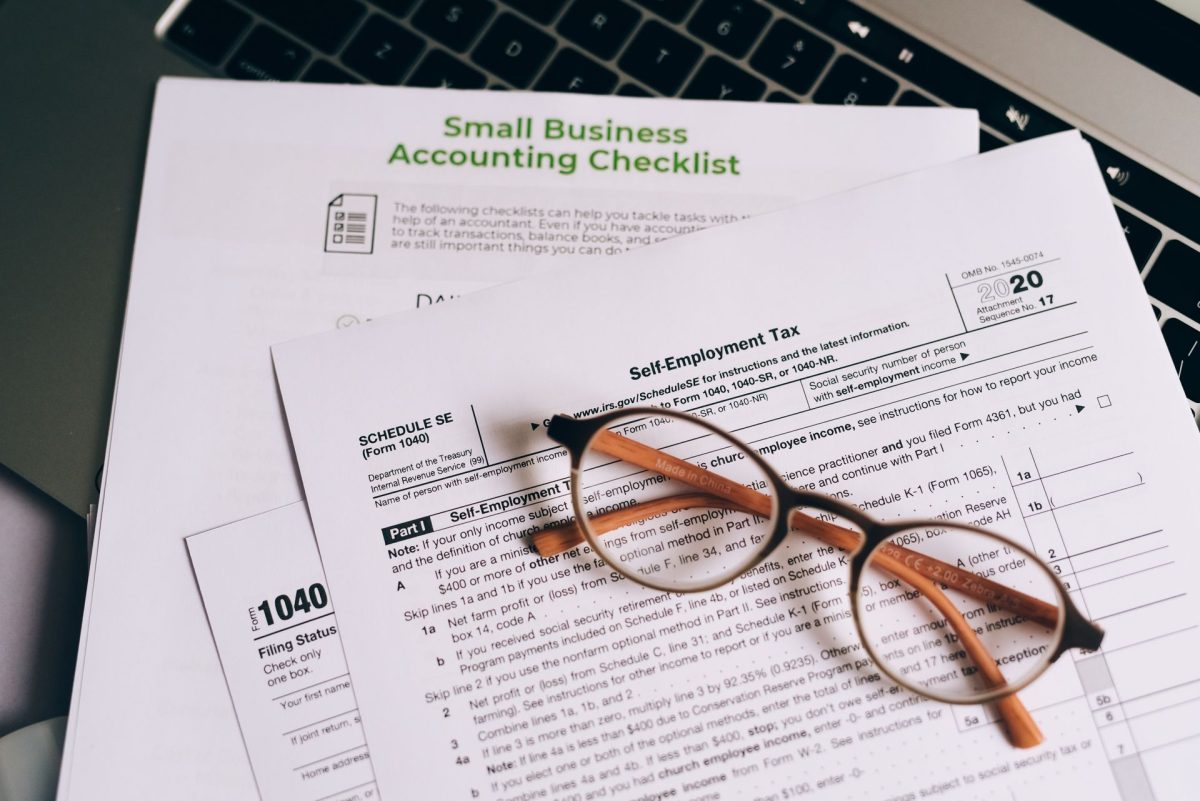
How Much Should You Save for Taxes If You're Self-Employed?
Your first year of freelancing feels great — until April arrives and your tax bill is four times what you expected. Nobody withheld taxes from your paychecks, nobody warned you about the self-employment tax, and now the IRS wants a number that makes your stomach drop.
The fix is simple but powerful: save for taxes with every payment you receive, long before tax day. The IRS expects self-employed people to pay both income tax and estimated taxes quarterly on their own — a double shock for anyone coming from a salaried job. Here is exactly how much to set aside, why that number works, and how to make it painless.
Fine-Tune It: What Percentage Fits Your Situation?
The 25–30% range is a safe starting point, but your real number depends on your income level, deductions, and state. Use this table as a quick guide:
| Your situation | Suggested savings rate | Why |
|---|---|---|
| Profit under $40,000, few deductions | 25% | Lower federal bracket; SE tax is the main cost |
| Profit $40,000–$100,000 | 28–30% | Higher bracket kicks in; SE tax on full amount |
| Profit over $100,000 | 30–35% | Top of the range until you confirm with a CPA |
| Large deductions (home office, retirement, equipment) | 25% of what's left after deductions | Deductions shrink taxable profit directly |
| State income tax applies | Add 3–5% to the above | Most states tax business profit too |
The best move after your first profitable year: look at your actual total tax (line 24 of Form 1040) divided by your net profit. That ratio is your personal savings rate for next year — replace the rule of thumb with your own number.
The Short Answer
Set aside 25–30% of your net self-employment income for taxes in 2026. Net income means your profit after business expenses — not your total revenue. If you cleared $60,000 in profit last year, your tax savings account should have held $15,000–$18,000 by December. This percentage covers both your self-employment tax and your federal income tax, and it keeps you safe in most common tax situations.
Why Self-Employed Taxes Hit Harder Than You Expect
When you worked a W-2 job, your employer quietly paid half of your Social Security and Medicare taxes, and income tax was withheld from every paycheck. When you work for yourself, both of those safety nets disappear at once:
- You pay the full self-employment tax yourself. The combined rate is 15.3% — 12.4% for Social Security (on the first $184,500 of net earnings in 2026) plus 2.9% for Medicare (no cap). The IRS lets you multiply your net profit by 92.35% before applying the rate, which brings the effective rate to about 14.1%.
- Income tax still applies on top. Your profit is also taxed as ordinary income at your federal bracket, and possibly state tax too.
- Nobody reminds you to pay. If you expect to owe $1,000 or more, the IRS wants payment quarterly, not once a year — and skipping those payments can trigger an underpayment penalty.
That 15.3% self-employment tax alone is why the 25–30% rule exists. The tax itself takes roughly 14% of your profit; federal income tax takes the rest.
Do the Math: What 25–30% Looks Like in Real Numbers
Let's make this concrete. Here is the self-employment tax and suggested savings for three profit levels, using 2026 figures:
| Annual net profit | 2026 self-employment tax | Save 25% | Save 30% |
|---|---|---|---|
| $30,000 | ≈ $4,239 | $7,500 | $9,000 |
| $75,000 | ≈ $10,597 | $18,750 | $22,500 |
| $150,000 | ≈ $21,194 | $37,500 | $45,000 |
How those SE tax numbers are computed: net profit × 92.35% × 15.3%. So at $75,000 profit: $75,000 × 0.9235 = $69,263, then × 0.153 = $10,597. You can also deduct half of that amount from your taxable income when you file.
High earners, one note: the 12.4% Social Security portion stops at $184,500 of net earnings in 2026 — anything above that is only hit with the 2.9% Medicare portion, plus an additional 0.9% Medicare surtax above $200,000 ($250,000 if married filing jointly).

Where the Money Actually Goes: 2026 Payment Dates
Saving the money is step one — sending it on time is step two. For 2026, the IRS expects estimated tax payments on these dates:
| Payment | Covers income earned | Due date |
|---|---|---|
| Q1 | Jan 1 – Mar 31, 2026 | April 15, 2026 |
| Q2 | Apr 1 – May 31, 2026 | June 15, 2026 |
| Q3 | Jun 1 – Aug 31, 2026 | September 15, 2026 |
| Q4 | Sep 1 – Dec 31, 2026 | January 15, 2027 |
Our quarterly estimated taxes guide walks through how to calculate and pay each installment, including the safe-harbor rule that lets you avoid penalties by paying 100% of last year's tax (110% if your AGI topped $150,000).
5 Habits That Make Tax Saving Automatic
1. Open a separate "tax only" savings account
This is the single most effective move. A free online savings account takes ten minutes to open. Money in your main account will get spent — money labeled "IRS" won't.
2. Transfer the percentage the day you're paid
Don't wait until month-end. When a $5,000 client payment lands, move $1,250–$1,500 to the tax account immediately. Treat it like a bill that is due today, because the IRS effectively treats it that way.
3. Save on net income, but start simple on gross
Technically, the 25–30% applies to profit after expenses. But in your first year, when expenses are unpredictable, many accountants suggest saving 25% of every payment you receive. You'll slightly over-save — which beats under-saving every time.
4. Adjust when your bracket changes
The 25–30% rule is a starting point. If your profit pushes you into a higher federal bracket, or you have a profitable year far above last year, bump your savings to 30–35%. If you have large deductions (a home office, a new EIN for your small business, retirement contributions), you may safely land near the 25% end.
5. Don't touch the account for anything else
Quarterly payments, the April balance, and underpayment surprises all come out of this account. A slow client month is not a reason to raid it — that's what your emergency fund is for.
What to Do If You Over-Saved
Over-saving is the happy problem. When your return shows you paid more than you owed, the refund is not bonus money — put it straight toward next year's first quarterly payment, or into your retirement account. Many self-employed people discover that over-saving in year one, then refining their personal percentage from their actual return (total tax ÷ net profit), gives them the most accurate target they'll ever have. After two or three years of this cycle, you'll know your number to within a percent or two.
4 Mistakes That Cause the April Panic
- Saving on gross revenue instead of profit. This only over-saves you, which is harmless — but knowing the difference keeps your savings target accurate.
- Forgetting the self-employment tax entirely. Many new freelancers budget for income tax and are blindsided by the extra 15.3%. Now you won't be.
- Skipping quarterly payments. Even if you save perfectly, paying it all in April can cost you an underpayment penalty. The IRS offers clear guidance on who must pay estimated taxes and when.
- Mixing business and personal money. When every dollar sits in one account, it's impossible to know what's yours and what belongs to the IRS. A small-town business owner with one checking account faces the exact same trap — separate accounts are a business basic, not a luxury.
Frequently Asked Questions
What if I can't afford to save 25% right now?
Save something — even 15% — and increase it as revenue stabilizes. The dangerous move is saving nothing and hoping April is kind. Also revisit your deductions: every legitimate business expense you track lowers your profit and your tax bill. The IRS self-employed tax center is a solid starting point for understanding what counts.
Do I still owe taxes if my business lost money?
If your net earnings from self-employment were under $400 for the year, you generally owe no self-employment tax — but you may still need to file. Losses can also offset other income in some cases, so track everything even in a losing year.
Does forming an LLC change how much I should save?
Not by itself. A single-member LLC is taxed exactly like a sole proprietorship by default, so the 25–30% rule still applies. An S-corp election can change the math significantly — talk to a CPA before switching.
Should I include state taxes in the 25–30%?
That range covers federal self-employment plus federal income tax. If your state has income tax, add roughly 3–5% more on top, or check your state's estimated payment rules — most states mirror the federal quarterly schedule.
Conclusion
Taxes are the largest "bill" most self-employed people pay, and the only one that arrives without an invoice. The 25–30% rule turns it into a routine: every payment in, a quarter to a third set aside, four on-time payments a year. Start this week — open that separate account, move today's percentage, and mark the quarterly dates on your calendar. Then track every business expense, because deductions are what make next year's percentage smaller. Next April, you'll file your return the way salaried people do: calmly.



0 Comments
No comments yet. Be the first to share your thoughts!